2025/12/23
【Interview Report】 How Instruction Quality Directly Impacts Injury Risk: Challenges in the Yoga Industry from an Orthopedic Surgeon’s 30-Year Perspective /【対談レポート】 指導の質が怪我に直結する ―― 整形外科医30年の視点から見たヨガ業界の課題
Dr. Rumiko Inoue, founder of Orthopedic Yoga, discusses the reality of yoga-related injuries and the importance of instruction that does not rely solely on intuition
Introduction
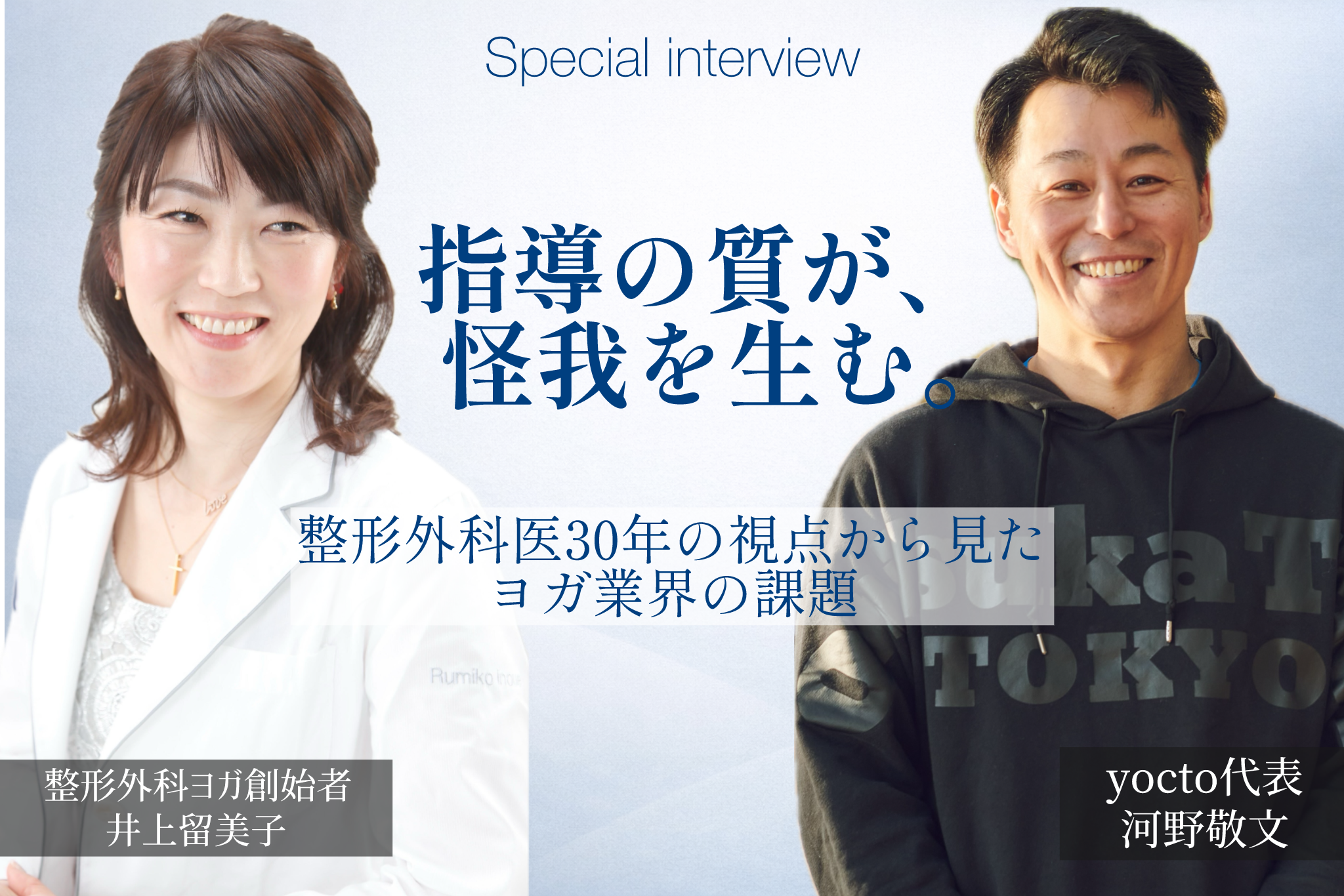
In December 2025, Takafumi Kawano, CEO of yocto, had the opportunity to speak with Dr. Rumiko Inoue, the founder of Orthopedic Yoga, a discipline that has been gaining increasing attention within the yoga community.
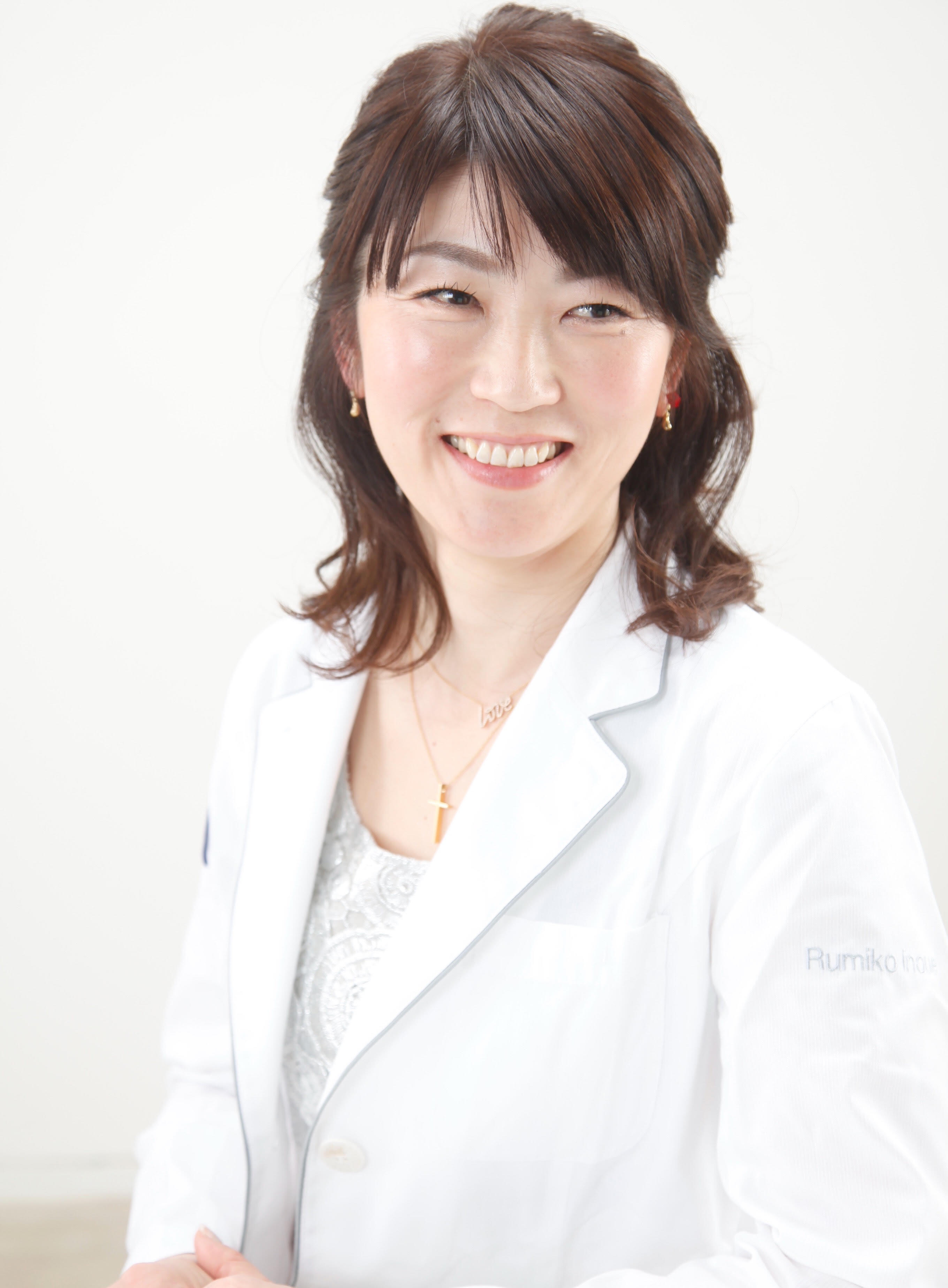
Dr. Inoue is a rare professional who deeply understands both medicine and yoga.
She has nearly 30 years of clinical experience as an orthopedic surgeon and also serves as a part-time lecturer in the Department of Sports Medicine at St. Marianna University School of Medicine.
In this interview, we discuss the challenges facing the yoga industry from her medical perspective, as well as the potential role of yoctoMat in addressing these issues.
- Dr. Rumiko Inoue, founder of Orthopedic Yoga, discusses the reality of yoga-related injuries and the importance of instruction that does not rely solely on intuition
- Introduction
- Profile: Dr. Rumiko Inoue
- “Yoga Is Wonderful — But There Are Too Many Injuries”
- The Reality of “Yoga Injuries” Seen by an Orthopedic Surgeon
- “Patients Don’t Tell Their Yoga Teachers When They’re in Pain”
- The Potential of yoctoMat — Through the Lens of Fall Prevention
- Shared Philosophy Between Orthopedic Yoga and yocto
- Looking Ahead
- Related Links (Dr. Rumiko Inoue)
- 整形外科ヨガ創始者・井上留美子先生が語る、ヨガの怪我の実態と「感覚に頼らない指導」の重要性
- はじめに
- 井上留美子先生プロフィール
- 「ヨガはすごくいい。でも怪我人が多い」
- 整形外科医が見る「ヨガの怪我」の実態
- 「患者はヨガの先生に痛みを言えない」
- yoctoMatの可能性 — 「転倒予防」という切り口
- 整形外科ヨガの哲学とyoctoの共通点
- 今後の展望
- 【井上留美子先生 関連リンク】
Profile: Dr. Rumiko Inoue
Category | Details |
|---|---|
Current Position | Director, Matsuura Orthopedic & Internal Medicine Clinic (Suginami, Tokyo) |
Specialties | Board-Certified Orthopedic Surgeon (JOA), Certified Sports Physician, Certified Musculoskeletal Rehabilitation Physician |
Yoga Experience | Approx. 15 years |
Publications | Orthopedic Yoga for a Body That Walks Strong for Life (2024) |
Activities | Part-time Lecturer at St. Marianna University School of Medicine, Instructor at OMYOGA |
“Yoga Is Wonderful — But There Are Too Many Injuries”
Kawano:
What first led you to become involved with yoga?
Dr. Inoue:
When I started practicing yoga about 15 years ago, I quickly realized that although yoga is very beneficial, there were a surprising number of injuries.
I also noticed a wide variation in instructors’ knowledge.
It felt very different from working with nationally licensed movement professionals who understand the risks involved when touching and guiding the body.
That inconsistency in knowledge is what I find most concerning.
Kawano:
I’ve felt exactly the same way. I’ve practiced yoga for 16 years, and I noticed the number of injuries very early on as well.
The Reality of “Yoga Injuries” Seen by an Orthopedic Surgeon
Kawano:
Do patients who were injured during yoga come to your clinic?
Dr. Inoue:
Yes — many of them. Even now, quite frequently.
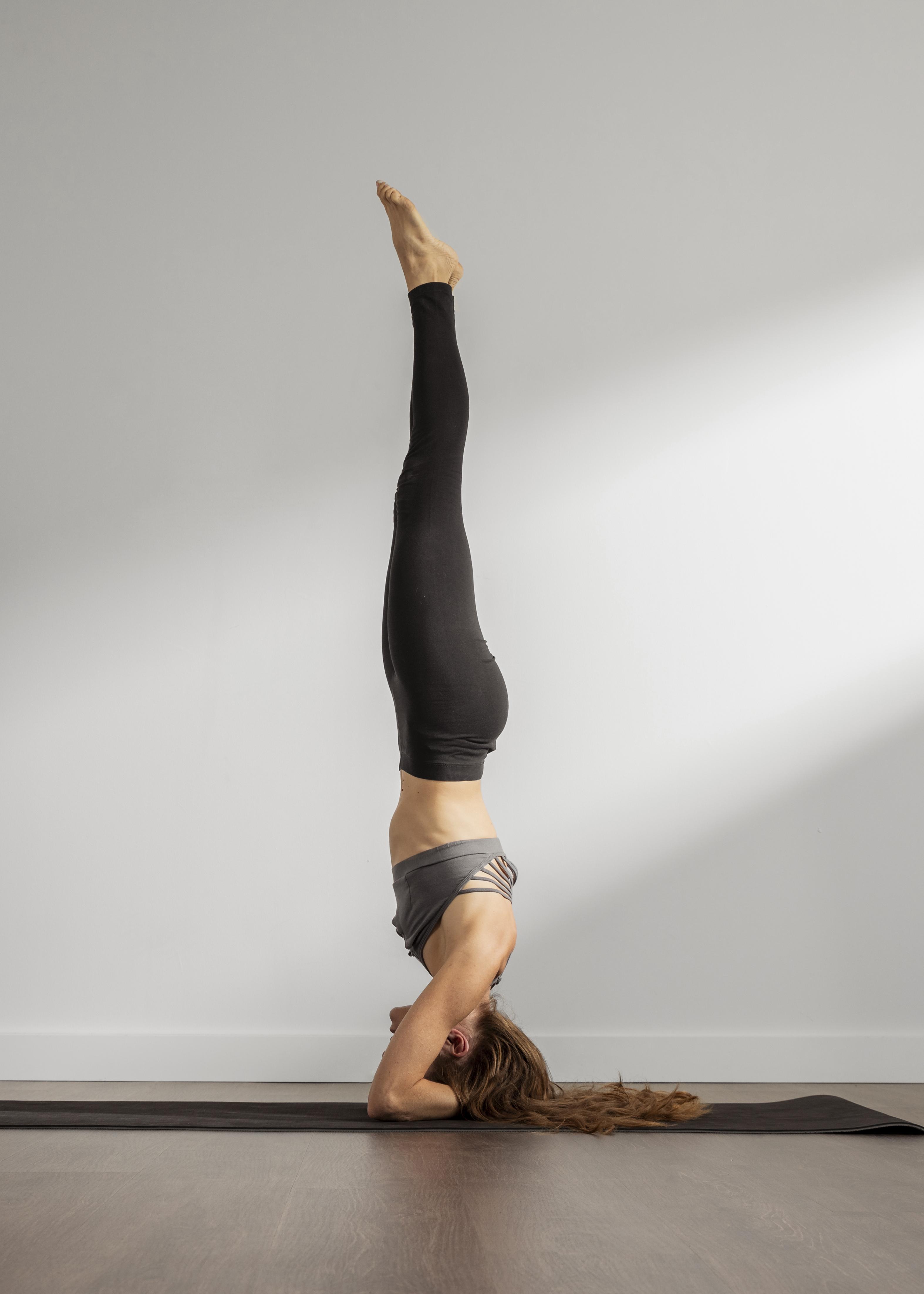
At one point, injuries related to headstand were especially common.
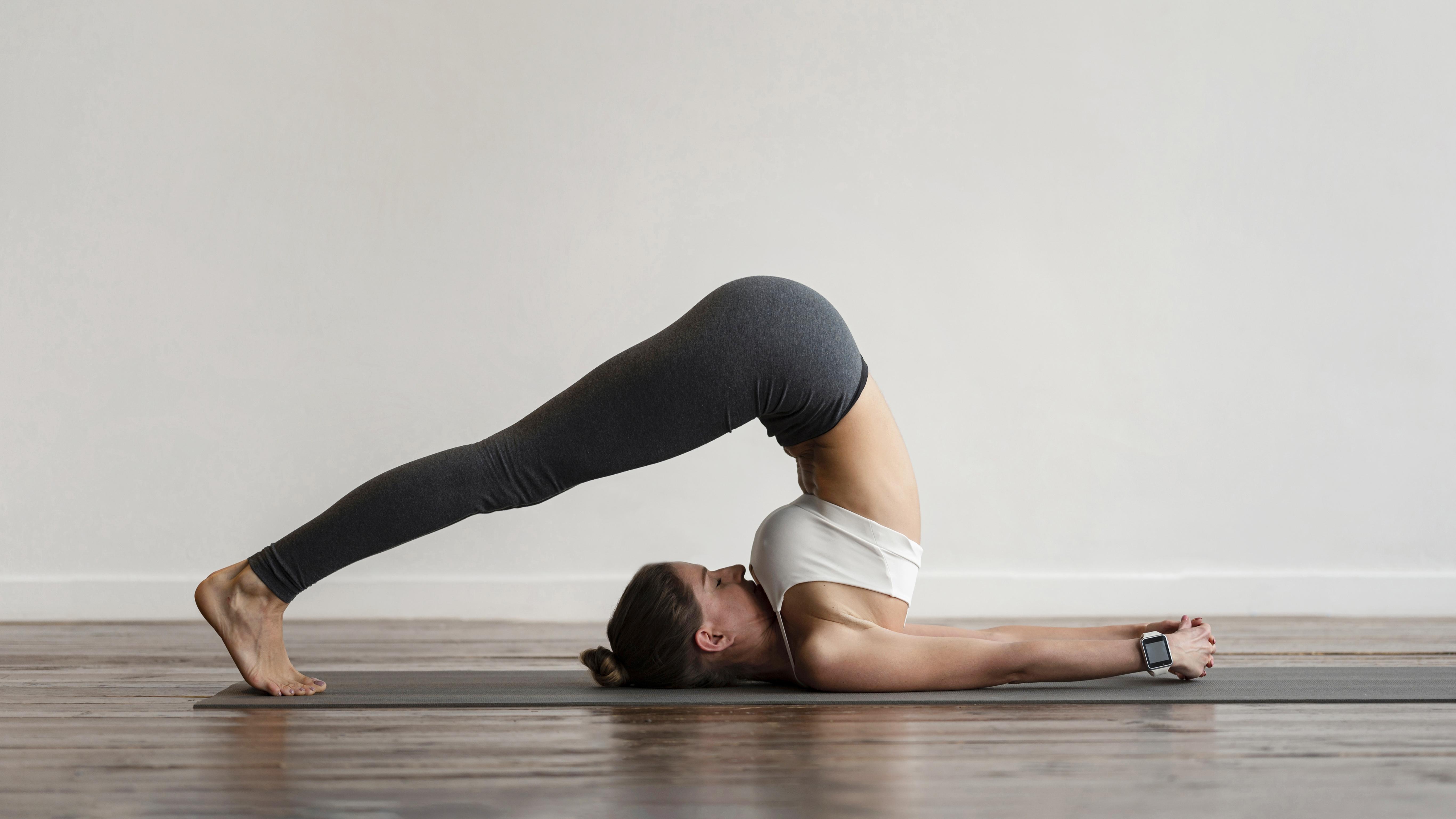
I treated a patient who injured their neck while bringing their legs over from the heels during headstand practice. The pain progressed, eventually leading to depression and hospitalization.
In more severe cases, I’ve seen collapse of the femoral head, requiring surgery.
Kawano:
Which body parts are most commonly affected?
Dr. Inoue:
Neck / shoulders — often related to headstand
Hips — poor alignment
Knees — general pain, often due to misalignment
Lower back — many cumulative injuries
Wrists — repetitive overload
Toes — traumatic injuries
Lower back pain, in particular, often results from accumulated misinstruction over time, rather than a single incident.
“Patients Don’t Tell Their Yoga Teachers When They’re in Pain”
Dr. Inoue:
In my experience, patients often do not tell their yoga instructors about injuries that occur during class.
I frequently hear comments like,
“I felt something was wrong during that class, but the pain kept getting worse afterward.”
Some injuries happened after being physically adjusted by an instructor.
If someone falls and fractures a bone, the cause is obvious.
But gradual, accumulating injuries are much harder for students to speak up about.
Kawano:
I’ve run yoga studios myself, and I completely understand that issue.
Even when instructors are responsible and attentive, students sometimes hide their pain.
The Potential of yoctoMat — Through the Lens of Fall Prevention
Kawano:
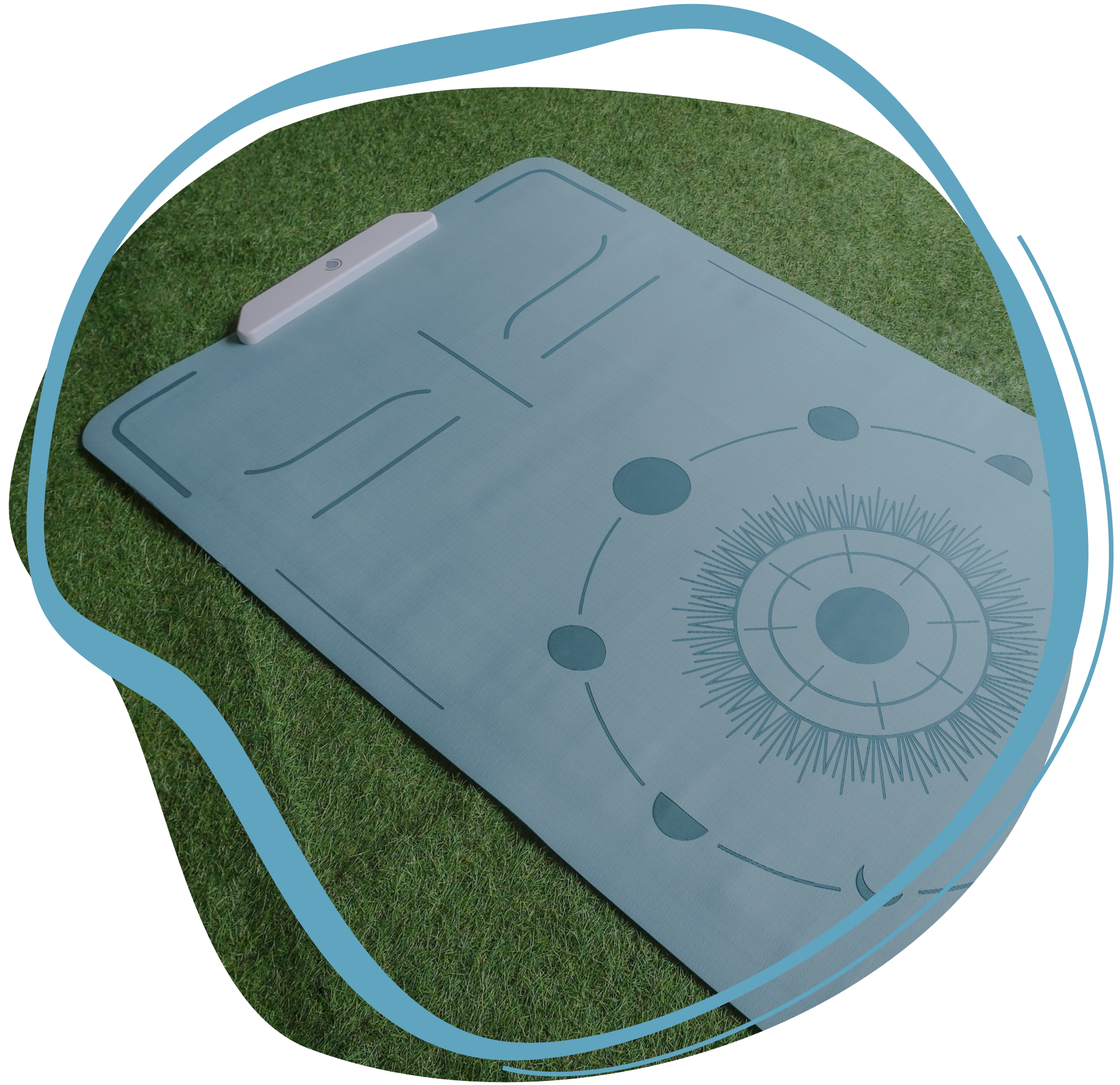
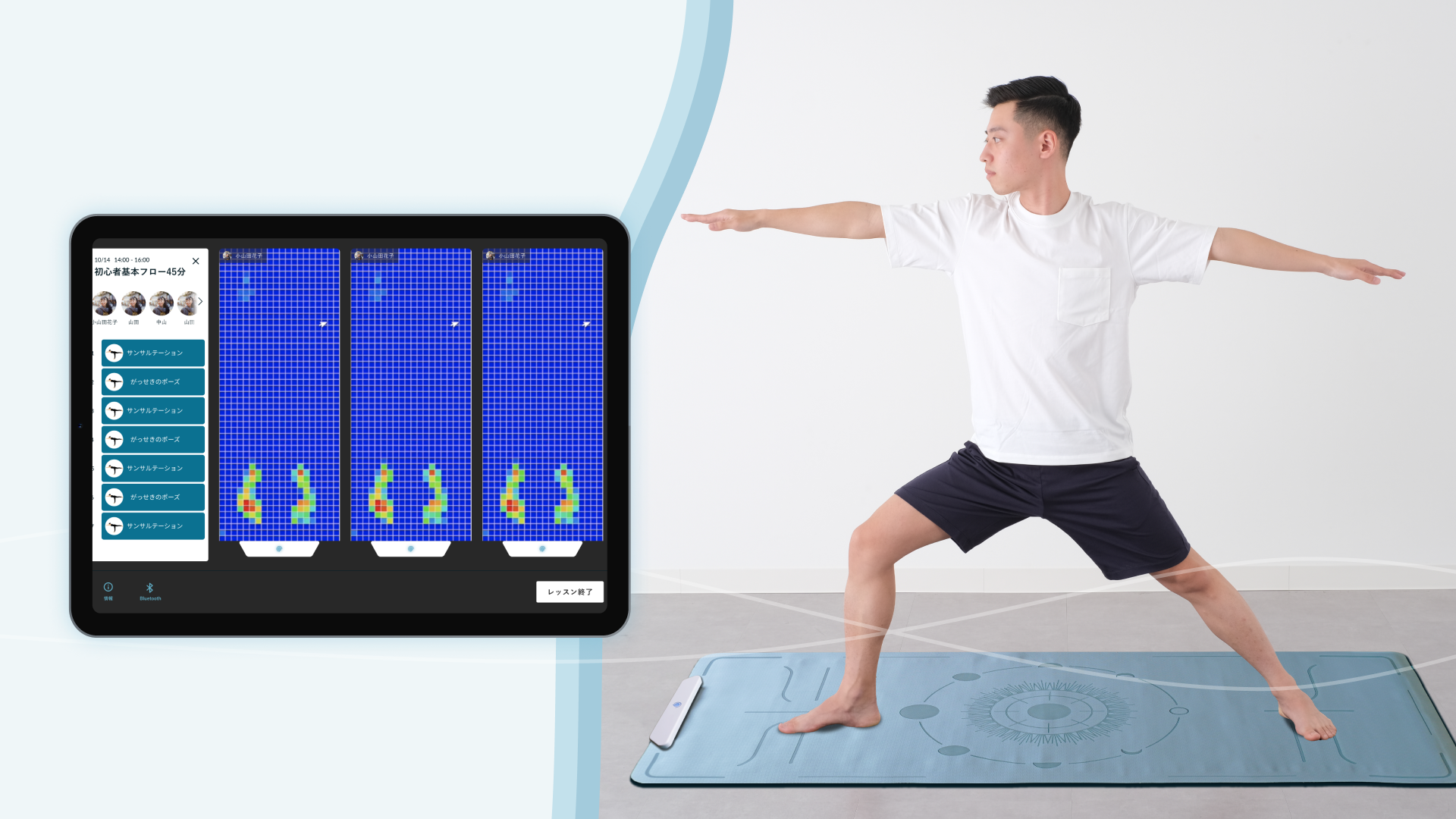
yoctoMat visualizes plantar pressure distribution and center of gravity in real time using 1,392 pressure sensors.
From your perspective, where do you see potential use cases?
Dr. Inoue:
From what you described, I imagined that the mat clearly shows how pressure is distributed on the soles of the feet.
In a typical yoga class, it might shift focus too much toward achieving poses rather than awareness.
However, for correcting habitual movement patterns or in fall-prevention programs, I think it could provide meaningful support.
Kawano:
That aligns perfectly with our current use.
We are already using yoctoMat in senior fitness assessments in Adachi Ward, including TUG (Timed Up and Go) and one-leg standing tests.
Shared Philosophy Between Orthopedic Yoga and yocto
Dr. Inoue:
I created Orthopedic Yoga because I wanted to remove religious elements and offer yoga as a health-focused exercise that older adults could practice without damaging their pride.
I wanted a standardized program where people could improve their bodies even without deep anatomical knowledge — simply by following clear guidance.
Kawano:
Your belief that “the quality of instruction directly leads to injury” perfectly aligns with yocto’s mission.
By visualizing what was once based only on sensation, we can improve the reproducibility and safety of instruction. That is exactly what we aim to do.
Looking Ahead
Through this discussion, the challenges facing the yoga industry from an orthopedic perspective — and the areas where yoctoMat can contribute — became very clear.
In particular, opportunities emerged in fall prevention and senior-focused programs, where applications grounded in medical evidence are essential.
yocto will continue working toward the realization of injury-free yoga, guided by insights from experts like Dr. Inoue.
Related Links (Dr. Rumiko Inoue)
Interview Date: December 17, 2025
整形外科ヨガ創始者・井上留美子先生が語る、ヨガの怪我の実態と「感覚に頼らない指導」の重要性
はじめに
2025年12月、yocto代表の河野が、ヨガ業界で注目を集める「整形外科ヨガ」の創始者・井上留美子先生とお話しする機会をいただきました。
井上先生は、整形外科医として約30年の臨床経験を持ち、聖マリアンナ医科大学スポーツ医学講座の非常勤講師も務める、まさに「医学とヨガの両方を知る」稀有な存在です。
今回は、先生の視点から見たヨガ業界の課題と、yoctoMatの可能性についてお話を伺いました。
井上留美子先生プロフィール
項目 | 内容 |
現職 | 松浦整形外科内科 院長(東京都杉並区) |
専門 | 日本整形外科学会専門医、認定スポーツ医、認定運動器リハビリ医 |
ヨガ歴 | 約15年 |
著書 | 『一生スタスタ歩ける体になる整形外科ヨガ』(2024年) |
活動 | 聖マリアンナ医科大学 非常勤講師、OMYOGA講師 |
「ヨガはすごくいい。でも怪我人が多い」
河野:
先生がヨガに関わるようになったきっかけを教えてください。
井上先生:
私が15年くらい前にヨガを始めた頃、ヨガがすごくいいのに、怪我人が多いことに気づきました。そして、ヨガの先生たちの知識のバラつきが大きいと感じたんです。
ある程度の怖さを知っている、国家資格を持った運動指導者が身体を触るのとは、ちょっと違う印象を感じました。その知識のバラつきが一番怖いですね。
河野:
全く同じことを考えていました。私も16年ヨガをやっていて、始めてすぐに怪我人の多さに気づきました。
整形外科医が見る「ヨガの怪我」の実態
河野:
先生の診療所には、ヨガで怪我をした患者さんはいらっしゃいますか?
井上先生:
いっぱい来ます。今もちょいちょい。
一番多かった時期は、ヘッドスタンド(逆立ち)関連ですね。かかとから足を首の向こうに持っていく動きで首を痛めて、最終的に鬱になって入院してしまった方がいました。
大きな怪我では、大体骨頭のコラプス(圧壊)を起こし、手術が必要になった人もいました。
河野:
具体的にどの部位が多いですか?
井上先生:
首・肩 — ヘッドスタンド関連
股関節 — アライメント不良
膝 — 一般的な痛み アライメント不良
腰 — 蓄積型が多い
手首 — 繰り返し負荷
足の指 — 外傷
特に腰痛は、認識の間違ったヨガのレッスンが蓄積して、痛みにつながるパターンが多いですね。
「患者はヨガの先生に痛みを言えない」
井上先生:
実は、患者さんはヨガの先生に、ヨガ中の怪我はお話ししていない印象があります。
「クラスのあの時おかしいなと思ったんだけど、どんどん痛くなってきて…」という話をよく聞きます。アジャスト(手で補正すること)されてから痛めてしまったケースもあります。
バタンと転んで骨折すれば原因は明確ですが、じわっと痛めていくタイプの怪我は、先生には言いにくいんですよね。
河野:
私もスタジオを運営していた経験がありますが、その問題は実感としてわかります。責任を持ってクラスを運営していても、生徒さんが痛みを隠していることがある。
yoctoMatの可能性 — 「転倒予防」という切り口
河野:
私たちのyoctoMatは、1,392個の圧力センサーで足裏の圧力分布と重心をリアルタイムで可視化します。先生から見て、どのような場面で活用できそうでしょうか?
井上先生:
お話を聞いて、足の裏の圧分散を見る機能が入っているんだろうなと思いました。
一般のヨガクラスで使うと、ヨガよりポーズありきになってしまうかもしれない。でも、自分の身体の使い方の癖を治したり、転倒予防教室などでやっていく分には、何かしらのヘルプになるのかなと思いました。
河野:
まさに私たちも足立区のシニア向け体力測定で、TUG(立ち上がり歩行テスト)や片足立ちの測定にyoctoMatを活用しています。
整形外科ヨガの哲学とyoctoの共通点
井上先生:
私が整形外科ヨガを始めたのは、宗教色を排除し、お年寄りのプライドを傷つけずにできる健康体操としてのヨガを作りたかったからです。
知識がなくても「これをやったらできるよ」という一律のプログラムができたらいいなと思ったのが始まりです。
河野:
先生の「指導方法の質が怪我に直結する」というお考えは、私たちyoctoが目指していることと完全に一致しています。
感覚だったものを可視化して、指導の再現性を上げる。それが私たちの使命です。
今後の展望
今回の対談を通じて、整形外科医の視点から見たヨガ業界の課題と、yoctoMatが貢献できる可能性が明確になりました。
特に「転倒予防」「シニア向けプログラム」という領域で、医学的エビデンスに基づいた活用の道が見えてきました。
yoctoは今後も、井上先生のような専門家の知見をいただきながら、「怪我のないヨガ」の実現に向けて取り組んでまいります。
【井上留美子先生 関連リンク】
-----取材日: 2025年12月17日