(English below)
— 曖昧な計画とベンダー任せが生む“使えないシステム”の悲劇
「資金も調達できた。補助金も採択された。さあ、開発を進めよう!」
多くのスタートアップや中小企業にとって、これは事業が加速する最高の瞬間です。
ところが、この“順風満帆のスタートライン”こそが、「作ったはいいが、全く使えない」という最悪のシステムを生みやすい温床でもあります。
本稿では、なぜこのタイミングで開発トラブルが多発するのかを国内外の実例とともに解き明かし、今日から使える予防策と、私たちヨクトが提供できる実務的な支援をまとめます。
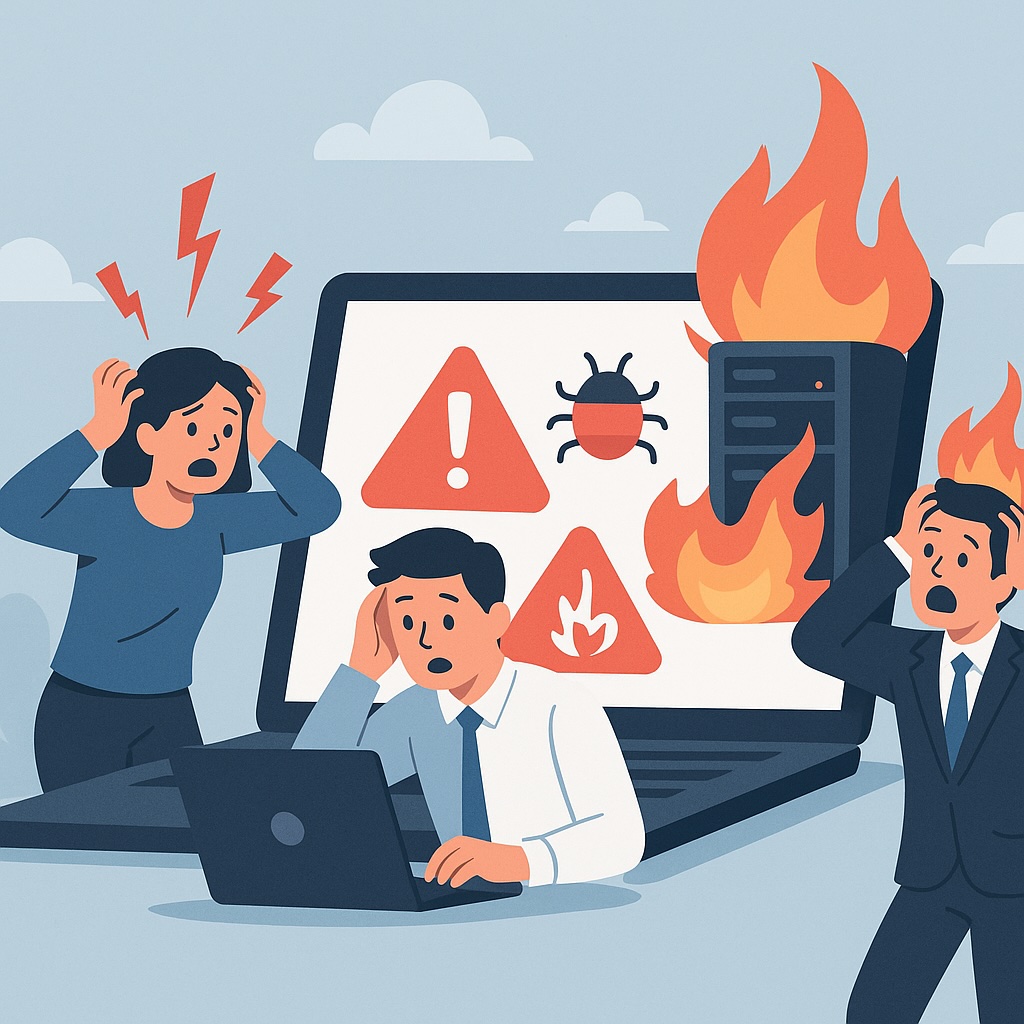
1. 順風満帆のスタートラインに潜む「2つの罠」
(1) 罠その①:曖昧な計画と契約
「他社がやっているから」「補助金が使えるから」で始まる案件は、ゴールや成功基準が曖昧なまま走りがち。
結果、仕様・契約の穴が残り、完成後に「思っていたものと違う」が起きます。
事実、日本では契約形態や要件定義の甘さが原因で、裁判や損害賠償につながる事例が後を絶ちません(出典は文末)。
(2) 罠その②:ベンダー任せの丸投げ
要件が曖昧なまま「一式発注」すると、開発側のペースで物事が決まり、現場で使えないものが届いても「仕様どおりです」で押し切られがち。修正は高額の追加費用に。
資金調達直後や補助金案件は予算がある分、品質軽視や過剰請求のリスクが上がります。
2. 失敗は繰り返される(国内外の実例)
Z会 vs ベンダー(国内):大規模刷新で不具合が多発。責任制限条項が賠償範囲の争点に。
Hertz v Accenture(米, 2019):3,200万ドル支払い後も“使えないWeb/アプリ”として提訴。
Knight Capital(米, 2012):リリース手順不備で30分で4.4億ドル損失。
UK Post Office “Horizon”(英):欠陥システムを20年運用し、巨額負担と社会問題に。
共通点は、要件・契約・検収の曖昧さとベンダー依存です(出典は文末)。
またこれらは発注側だけでなく、僕らみたいに受注する開発会社側の責任でもあります。
また、そこを狙って受注してくる(ある意味)悪徳な開発会社がいることもまた事実です。
3. 再発防止のための実践チェックリスト
要件定義/検収
成功基準は数値で明記(例:P95応答◯ms以内/エラー率△%以下)。
そのKPIを検収条件(支払い条件)に組み込む。
仕様変更はCR台帳で合意し、費用・納期影響を版管理。
契約
請負(完成責任)/準委任(善管注意義務)を切り分け、責任範囲を明確化。
責任制限条項(上限額・特別損害除外)を明記。
知財・ソース・データ権利(成果物の帰属/利用許諾/リポジトリ・CI/CDの所有)を明確化。
運用・品質
自動テスト・回帰の導入、依存ライブラリの脆弱性監査。
ロールバック手順を含む安全なリリース計画(Knightの反省点)。
補助金コンプライアンス
対象経費・自己負担・導入実体を、第三者が追跡可能な証憑で保存。
「書類だけ整える」は致命傷(返還・取消リスク)。
4. ヨクトの支援(“現場の痛み”に効く実務)
取り組み
自社プロダクト(CES 2025でも紹介されたIoTヨガマット「yoctoMat」)と受託開発の両輪で、要件〜運用まで実装経験。
机上ではなく実務で効く支援を提供します。
支援実績(抜粋)
開発支援:資金調達後の早期PMFに向けたPoC開発の加速と実績。
補助金開発支援:段階検収+証憑整備へ設計変更し、納期遵守&監査も一発クリア。
支援メニュー
要件定義レビュー:KPIと検収条件(機能+非機能)をクリア化。
契約ドラフト補助:請負/準委任の設計、責任制限、知財、検収、変更管理。
PoC→MVP設計:段階開発、計測設計、段階検収ひな形。
受入テスト運用化:自動化の最短導入、監視整備など。
補助金対応:導入実体・自己負担・証憑の“監査に耐える”整備支援。
体制強化のお知らせ
新しいエンジニアがチームに加わり、IoT → クラウド → AI → モバイル/Web を一気通貫で進める体制を拡充しました。
これまで以上にスピード/コスト/品質のバランスを最適化したご提案が可能です。
実際に、日々、自分たちでエクイティや補助金を活用した資金調達と実現したい世界へのシステム・サービスの開発を行っているのが私たちの強みです。
自己紹介記事:
[New Member Introduction] Engineer Mitsushi Tokuyama/【新メンバー紹介】エンジニア 徳山光志
[New Member Introduction] Engineer Miki Ide/【新メンバー紹介】エンジニア 井手美希
まとめ:チャンスをリスクに変えない
資金調達や補助金採択は飛躍のチャンス。
しかし、進め方を誤れば「使えないシステム」と「消えた予算」だけが残ります。
また、それを狙ってくる業者がいるのも事実です。
鍵は、要件・契約・検収を曖昧にしないこと。
ベンダー任せにせず、自社が主導する仕組みを入れること。
ヨクトは、その仕組み作りを現場目線で伴走します。
無料:60分・開発リスク診断(オンライン可)
要件/契約/検収/変更管理を短時間で棚卸しできます。
👉https://yocto-life.co.jp/#request
参考・出典
東京スタートアップ法律事務所「システム開発と損害賠償」
https://tokyo-startup-law.or.jp/magazine/category02/liability-for-damages-in-system-development/
企業法務ナビ「裁判例まとめ」
日経xTECH「Z会 vs ベンダー訴訟」
https://xtech.nikkei.com/atcl/nxt/column/18/00138/051501283/
The Register「Hertz v Accenture」
https://www.theregister.com/AMP/2019/04/23/hertz_accenture_lawsuit/SEC「Knight Capital制裁」
BBC「Post Office Horizon scandal」
https://www.bbc.com/news/business-67940125中小企業庁 IT導入補助金(不正・是正情報を含む制度動向)
https://www.chusho.meti.go.jp/keiei/gijut/2025/250117it.html
— Vague Plans and Vendor Dependence Create the Tragedy of “Unusable Systems”
“Funding secured. The grant approved. Let’s start building!”
For many startups and SMEs, this is the most exciting moment—business is about to accelerate.
But this smooth-looking start line is also fertile ground for the worst outcome: systems that are delivered but completely unusable.
This article explains why development failures so often happen at this stage, highlights both domestic and global case studies, and shares practical prevention tips—along with the hands-on support yocto can provide.
1. Two Traps at the “Smooth Start Line”
Trap #1: Vague plans and contracts
Projects that begin with reasons like “others are doing it” or “we can get a subsidy” often run without clear goals or success criteria. The result: gaps in specs and contracts, and outcomes that leave clients saying, “This isn’t what we expected.”
In Japan, weak contracts and poor requirements definition have repeatedly led to lawsuits and damages.
Trap #2: Vendor-driven “just leave it to the experts”
When requirements are unclear, a “turnkey” order leaves the vendor in control. Even if the delivered system doesn’t work in the field, vendors can hide behind “It meets the spec.” Fixes often mean expensive change orders.
Funded projects—especially those with subsidies that make them feel “free”—are particularly vulnerable to poor quality or inflated charges.
2. Failure Repeats Itself (Case Studies)
Z-kai vs Vendor (Japan): Major refresh filled with defects. Limitation-of-liability clauses became central in court.
Hertz v Accenture (US, 2019): Hertz sued after paying $32M but receiving only “unusable” websites and apps.
Knight Capital (US, 2012): One release error cost $440M in 30 minutes.
UK Post Office “Horizon” (UK): A defective system ran for 20 years, causing wrongful convictions and one of the UK’s largest social scandals.
Common thread: unclear requirements, vague contracts and acceptance conditions, and over-reliance on vendors.
And let’s be clear: responsibility doesn’t lie only with clients.
As a development company ourselves, we know that sometimes providers fail to deliver. And yes, there are firms that (frankly) exploit this moment, taking advantage of funding or grants with predatory practices.
3. Practical Prevention Checklist
Requirements / Acceptance
Success criteria defined in numbers (e.g. P95 response ≤ X ms, error rate ≤ Y%).
KPIs embedded in acceptance (payment) conditions.
All changes documented with CR logs (cost/schedule impacts included).
Contracts
Separate contract for work (completion responsibility) and service agreements (best-effort obligations).
Explicit liability limits (caps, exclusion of consequential damages).
Clear rules on IP, source code, and data rights (ownership, license, repository access).
Operations / Quality
Automated regression tests and dependency vulnerability scans.
Release plan must include rollback procedures (learn from Knight Capital).
Grant Compliance
Store evidence of expenses, self-payments, and real implementation that auditors can trace.
Avoid “paper-only” implementations—this is fatal and may trigger clawbacks or cancellation.
4. yocto’s Support (Grounded in Real Pain Points)
Our approach
We build both our own products (like the CES 2025-featured IoT yoga mat yoctoMat) and client systems. That dual perspective lets us give advice rooted in practice, not theory.
Examples of support delivered
Post-funding PoC acceleration: Helped startups achieve early PMF by rapidly turning PoC learnings into production systems.
Grant-backed ERP project: Redesigned acceptance into phased milestones + auditable evidence, ensuring on-time delivery and one-pass audit clearance.
Our service menu
Requirements definition review: KPIs and acceptance conditions (functional + non-functional).
Contract drafting support: structuring work vs. service scope, liability, IP, acceptance, and change management.
PoC→MVP design: stage gates, measurement frameworks, phased acceptance templates.
Acceptance testing & ops: rapid automation, monitoring, SLO/runbook setup.
Grant compliance: evidence preparation that stands up to audit.
Team update
To strengthen these capabilities, new engineers have joined our team, expanding end-to-end delivery across IoT → Cloud → AI → Mobile/Web.
See their intros here:
And importantly, our strength is that we are living this ourselves: raising equity, applying for grants, and building the systems/services we believe in.
Conclusion: Don’t Let Opportunity Turn Into Risk
Funding and grants are incredible opportunities. But if mismanaged, they can leave you with “an unusable system and a vanished budget”.
And yes—there are vendors out there waiting to exploit that.
The key is to eliminate ambiguity in requirements, contracts, and acceptance—and never hand everything to the vendor.
yocto walks alongside you to put those safeguards in place, with a practical, ground-level view.
Free: 60-min Development Risk Review (Online)
Quick audit of your requirements, contracts, acceptance, and change management.
👉 https://yocto-life.co.jp/#request
References / Sources
Tokyo Startup Law Firm — “System Development and Liability for Damages”
https://tokyo-startup-law.or.jp/magazine/category02/liability-for-damages-in-system-development/
Corporate Legal Navi — “Summary of Court Cases (System Development)”
Nikkei xTECH — “Z-kai vs Vendor Litigation”
https://xtech.nikkei.com/atcl/nxt/column/18/00138/051501283/
The Register — “Hertz sues Accenture over failed website/app project”
https://www.theregister.com/AMP/2019/04/23/hertz_accenture_lawsuit/
U.S. SEC — “Knight Capital Sanction (Release)”
BBC — “Post Office Horizon scandal”
SMEA (Japan) — IT Implementation Subsidy (including enforcement/rectification updates)
https://www.chusho.meti.go.jp/keiei/gijut/2025/250117it.html