👉 日本語版はこちら:
IoTヨガマットを始めたきっかけと目的
How it started
I’ve been practicing yoga for sixteen years now.
Even today, I start every morning with yoga and meditation.
What I want to achieve is simple: yoga that is safe, without unnecessary injuries, and a way to record and feel your own progress.
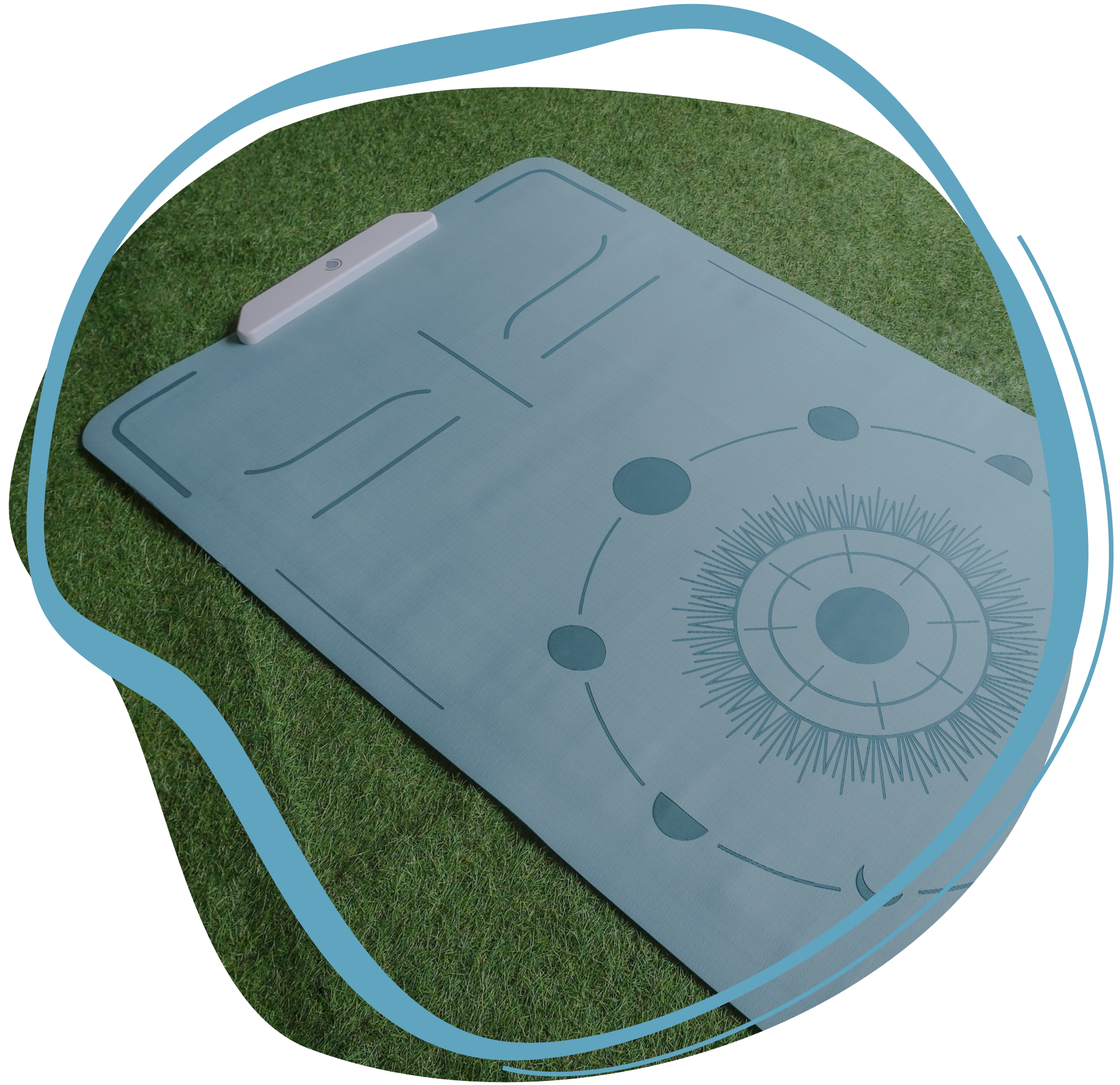
That’s why I developed the IoT yoga mat yoctoMat and the app yoctoApp. This is the story of how it began.
From Desk Work to Discomfort
By the time I turned thirty, my body was showing the cost of my work as an engineer, which had started when I was twenty.
I began to feel pain in my lower back. Sitting all day became difficult.

Running helped at first, but then I injured my knee.
Playing basketball with friends from the IT field was fun, but organizing games and schedules was a challenge.
One thing became clear: moving my body eased the back pain.
That’s when I discovered yoga.
I studied different styles, read books, and chose Ashtanga yoga. I bought a mat, practiced at home, and started going to a studio.
The Contradiction I Saw
As I continued classes, one question kept coming up:
“Am I really doing this right?”
Teachers gave different explanations. Books gave different answers. I wasn’t sure.
And then I noticed a bigger contradiction.
People start yoga to get healthy, yet many end up injured.
Wrists, shoulders, ankles, knees, backs. In some cases, I even heard of serious injuries like fractures.
Many people would say: _“There’s something to learn from getting injured.”_
Coming from an IT background, that sounded strange to me.
Why should pain be part of the design?
My Own Injury and a Decision
For a long time, I was lucky. I practiced without injuries.
I felt healthier and more energetic, and I wanted to share that, so I became a teacher.
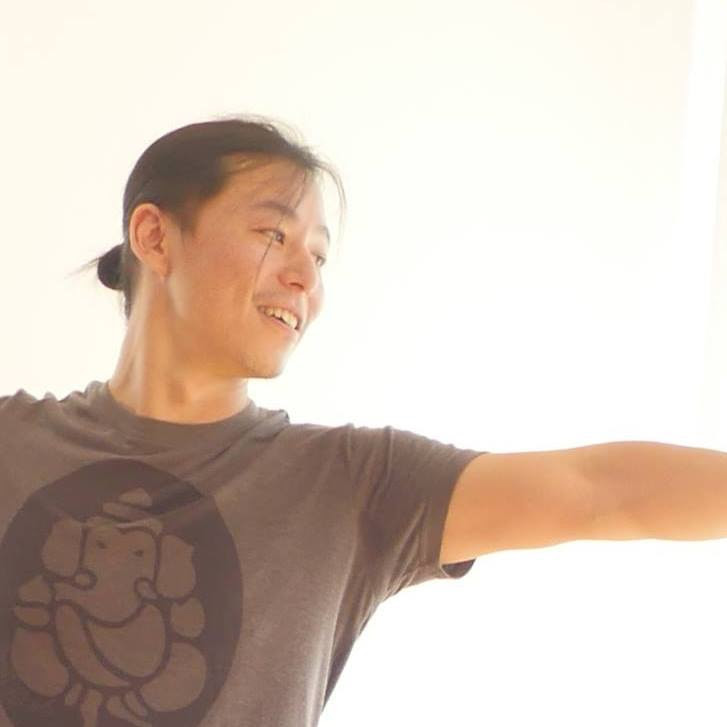
One day, though, I pushed too hard and injured my wrist and rib.
My wrist took months to heal, and breathing hurt because of my rib.
That was when I realized—I was saying the same thing: _“There’s something to learn from injury.”_
I was repeating the very idea I had once found so strange.
In that moment I thought: This isn’t right.
Learning should not require pain. Yoga has to be designed so it can be practiced safely.
The Answer: Making Things Visible
Yoga teachers watch closely during lessons: hand placement, foot placement, weight distribution.
That’s because wrong balance often leads to injury.
So what if we could make those things visible?
A mat that shows where and how much pressure is being applied.
A digital record that lets you see your progress after three months, six months, or a year.
And with AI, data can be analyzed to identify your body’s tendencies and recommend lessons that truly fit you.
That’s how yoctoMat and yoctoApp started.
The early prototypes were slow, rough, and often broke.
But the moment someone could instantly see where their weight was—it changed their expression.
It was the moment when feeling finally matched evidence.

Now and the Road Ahead
In 2025, both the product and the service are live.
There are still many features left to build, and development continues every day. In a sense, this is where the real journey begins.
Imagine this: if you injured your back in just one class, your daily life could change completely.
People come to yoga classes wishing for better health and better lives. They give us their precious time.
That means we, as teachers, are entrusted with part of their lives. We must keep improving the quality of the experience and the lessons we provide.

Our mission is clear:
To support people’s physical and mental health, and to walk together with yoga.
With this belief, we want to make yoga something that can be practiced safely, without pain.
The journey is still ongoing, and we would be grateful for your continued support.
We are now working on expanding our business overseas.
We would love to connect with yoga instructors and anyone interested in collaborating with us.
Thank you very much for reading to the end
References
UAB study (U.S. emergency data: injuries are rare overall, higher in older adults):
https://www.uab.edu/medicine/news/latest/item/1313-uab-study-finds-yoga-is-relatively-safe-but-know-your-limits
German nationwide survey (n=1,702: 21.4% acute, 10.2% chronic, higher risk in unsupervised/inversion poses):
https://pubmed.ncbi.nlm.nih.gov/31357980/
Systematic review (yoga adverse events: 22.7% in-class, 4.6% within 12 months):
https://pubmed.ncbi.nlm.nih.gov/28958637/
Large Japanese survey (27–28% reported mild discomfort after class, mostly musculoskeletal):
https://www.springermedizin.de/a-large-scale-survey-of-adverse-events-experienced-in-yoga-class/9776608
Safety review (RCT-based: overall safety similar to other forms of exercise):
https://pubmed.ncbi.nlm.nih.gov/25766462/
Chronic low back pain RCT (yoga and stretching improved more than self-care book):
https://www.ncbi.nlm.nih.gov/pmc/articles/PMC3279296/
Meta-analysis (moderate improvements in pain and function for chronic low back pain):
https://pubmed.ncbi.nlm.nih.gov/29939543/